


Why Looked After Children Struggle to Sleep: Trauma-Informed Advice for Foster Carers

If you've just welcomed a child into your home, bedtime may be one of the first moments you realise how much they have already lived through.
Sleep problems in looked after children are incredibly common, yet many foster carers are surprised by how challenging nights can become. I've met carers who expected the difficult moments to happen during the day, only to find that everything unraveled once the lights went out.
One little boy happily spent the afternoon building Lego towers, chatting away and exploring the garden. Come bedtime, he became terrified that everyone would disappear while he was asleep. Children rarely explain these behaviours in neat, logical ways. They show us instead.
As a qualified social worker with over 15 years experience supporting vulnerable adults and children, and a certified paediatric sleep practitioner, I understand both child development and the unique impact trauma has on sleep. I've learned that bedtime often tells us far more about a child's sense of safety than it does about their sleep skills. When children enter foster care, almost everything familiar has changed. New adults, new smells, different sounds outside the window, different routines around meals and bedtime. Even a beautifully prepared bedroom can feel unsafe when you've never slept there before.
Why Do Looked After Children Have Sleep Problems?
Adults often think of sleep as simply switching off for the night. For many children who have experienced neglect, abuse, domestic violence or repeated placement moves, falling asleep means giving up control. It means no longer being able to remain vigilant to perceived danger and facing a night separated from the adult who now cares for them.
This is why sleep problems after trauma are so common. I've heard foster carers say, "He's exhausted, why won't he just sleep?" The answer is usually because exhaustion doesn't override survival instincts. Our brains are designed to prioritise safety before sleep. If a child has learned that adults are unpredictable, nights have been frightening, or they have been moved suddenly in the past, their nervous system may continue scanning for danger long after everyone else has settled.

Trauma and Sleep in Foster Children
The relationship between trauma and sleep is rarely straightforward. Some children become hyperactive just before bed. Others seem desperate for constant reassurance. Some repeatedly come downstairs with endless reasons why they can't stay in bed. Others experience frequent night waking in foster children, checking whether their foster carer is still there.
One foster carer joked to me that the sound of the kettle must be a bat signal, as soon as she thought everyone was settled and dared to make herself a cup of tea, another tiny face would appear at the top of the stairs. There was always an urgent question such as, "How many different types of cheese are there?" It was impossible not to smile (whilst trying to hold in the sigh!), but beneath the humour was something important. The questions were never really about cheese, they were checking whether their adult was still available. This kind of bedtime anxiety in children is incredibly common after trauma.
Occasionally you'll meet the opposite child, the one who falls asleep almost anywhere, at any time. People sometimes describe them as "good sleepers", but I always encourage carers to look a little deeper. Sleeping heavily can sometimes be another way children have adapted to difficult experiences. It's important that carers remain curious and continue to focus on creating consistency, safety and connection even when sleep seems “easy”.
Understanding the Brain: Why Trauma Changes Sleep
Children who have experienced early adversity are not simply choosing to stay awake or resisting bedtime. Trauma can alter the way a child's nervous system responds to the world. When experiences have repeatedly felt unsafe, the brain's threat detection system can become highly sensitive, remaining on alert even when there is no immediate danger.
Stress hormones such as cortisol and adrenaline, which are designed to help us survive frightening situations, may remain elevated for much longer than they should. Rather than naturally winding down towards sleep, a child's body may continue preparing to fight, flee or stay watchful. This can make it genuinely difficult to fall asleep, stay asleep or settle after waking.
For some children, particularly those who are neurodivergent or have experienced prenatal substance exposure, sensory processing differences, ADHD or autism may add further complexity. They may find it harder to regulate their bodies, transition between activities or cope with changes in routine. Sleep is rarely influenced by one factor alone. Instead, it is often the result of an interaction between trauma, attachment, neurodevelopment and the child's individual temperament.
This understanding doesn't mean lowering expectations or abandoning healthy sleep habits. Instead, it helps carers view bedtime through a compassionate lens. Behaviour that appears oppositional may actually reflect a nervous system working incredibly hard to feel safe enough to sleep.
Attachment and Sleep: Why Reassurance Matters
The connection between attachment and sleep is often overlooked. Children develop trust through hundreds of ordinary every day experiences rather than one big conversation or moment. Knowing that someone will respond, that the same bedtime happens tonight as happened yesterday, that promises are kept and that adults stay calm even when children are struggling all begin to create predictability.
Predictability matters because children who have experienced trauma have often lived with the opposite. Predictability breeds trust which can then lead to feelings of safety and real, restful sleep.
Helping Foster Children Sleep: A Trauma-Informed Approach
When people search for advice because their foster child won't sleep, they're often hoping for a quick solution. Unfortunately, there isn't one. This is one reason I encourage foster carers not to stress over trying to find the perfect bedtime routine or the magic phrase or element that will “fix” things. Consistency is much more valuable and the carer's responses and stable presence are what will support sleep.
A simple looked after child bedtime routine that happens in roughly the same order each evening gives children clues about what comes next. It could be as simple as bath, pyjamas, story, cuddle and lights out. Perhaps a familiar song or the same phrase every night. It isn't a magic fix and it won't erase trauma, but repeated experiences gradually become familiar and familiarity begins to feel safer.
There will still be evenings when everything seems to go wrong. Contact may have taken place earlier that day. There may have been a difficult conversation at school, a visit from their social worker, or a birthday reminder that has stirred up painful memories. On those evenings, bedtime difficulties are often communicating something important, an increased need for safety and connection rather than reflecting any poor behaviour.
Foster Carers Often Have to Start Again
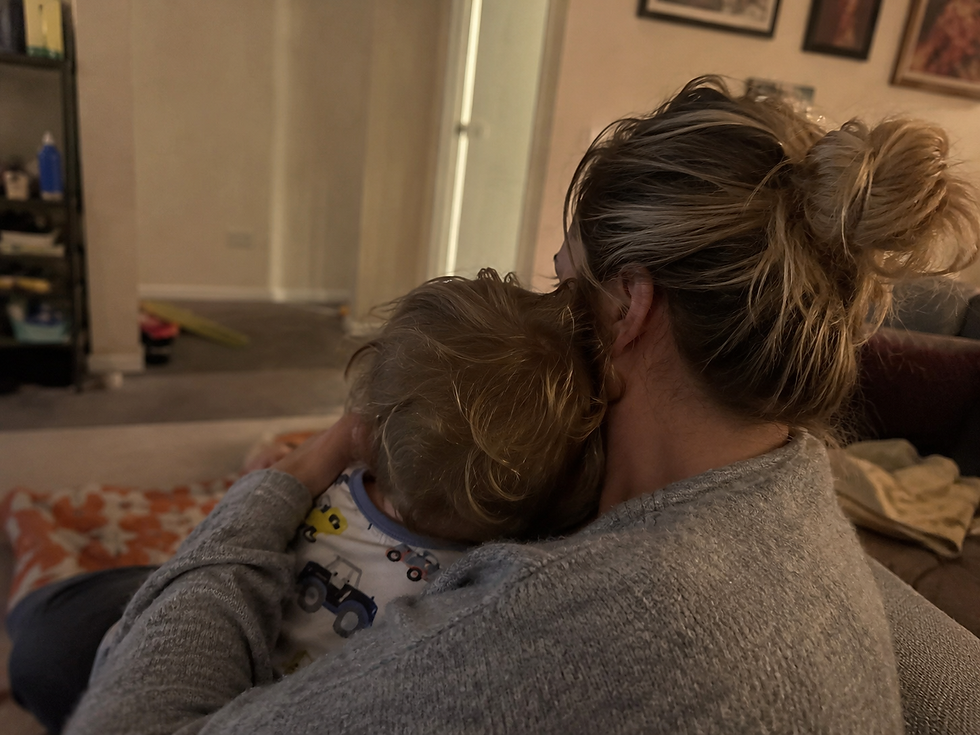
One aspect of fostering that is rarely spoken about is the emotional cost of starting over. In longer-term parenting environments, families eventually begin to experience the rewards of months or years of consistent routines. Foster carers may work tirelessly to help a child feel safe at bedtime, patiently co-regulating through countless difficult evenings, only for that child to move on to their next placement, adoption or return to the birth family just as sleep is becoming more settled.
Then another child arrives, bringing a completely different history, different fears and different ways of communicating distress. Many foster carers become exceptionally skilled at recognising trauma responses, adapting routines and remaining calm under pressure. Yet despite this expertise, every new child means beginning again. The strategies that helped one child may not work for the next because every child's story is different.
That constant resetting can be emotionally and physically exhausting. It doesn't reflect a lack of progress or success. In many ways, it is the very nature of fostering itself.
What if My Foster Child Won't Stay in Bed?
One question I often ask carers is not, "How do we stop this behaviour?" but, "What might this child be telling us?". That small shift changes everything. Sometimes children need a little more connection before they can separate for the night. Five extra minutes sitting quietly together can be more effective than repeatedly insisting they stay in bed.
For another child, a dim nightlight or leaving the bedroom door slightly open provides enough reassurance to help them settle independently. If your child won't stay in bed, or experiences separation anxiety at bedtime, it doesn't mean they are being difficult or manipulative. Their behaviour may be communicating uncertainty, fear or a need for reassurance.
Sleep Support for Foster Carers
There is no universal approach because there is no universal story. Of course, children also need healthy sleep habits. A calm evening, regular sleep and wake times, a balanced diet, opportunities for physical activity during the day and limiting stimulating screens before bed all support good sleep.
Those foundations still matter. They simply need to be viewed through a trauma-informed lens. This is what trauma-informed sleep support looks like: combining evidence-based sleep guidance with an understanding of attachment, trauma and child development.
Looking After Yourself Matters Too
Foster carers are expected to co-regulate children, stay emotionally available and respond with patience and consistency. All of this is important, but it is also demanding, particularly when sleep deprivation becomes chronic. It's difficult to lend a regulated nervous system to a child when your own reserves are running low.
Whenever possible, accept offers of practical help. Share overnight responsibilities with another adult if you can. Rest during the day if opportunities arise. Prioritise your own meals, hydration and movement, even if only in small ways. Brief moments of recovery really do matter.
Perhaps most importantly, be kind to yourself. You are unlikely to respond perfectly every bedtime, and perfection is neither realistic nor necessary. Children benefit from adults who consistently return with warmth and repair after difficult moments.
If exhaustion is beginning to affect your own wellbeing, don't struggle alone. Speak with your supervising social worker, fostering agency or GP. Supporting traumatised children requires enormous emotional energy, and carers deserve support too.
Safe Sleep for Babies in Foster Care
For babies in foster care, safe sleep guidance should always remain the priority. Whatever is happening emotionally, babies should always be placed on their back to sleep on a firm, flat mattress with a clear sleep space, following current recommendations from the Lullaby Trust and the NHS.
They may need all their day naps to be contact naps, they may need the closeness of the sling or carrier as their bodies try to regulate. This is especially important when babies may have additional vulnerabilities, including prenatal substance exposure, prematurity or low birth weight.
Link to safe sleep leaflet
When to Seek Professional Sleep Support
One of the hardest things for all parents and carers is accepting that progress isn't always linear. A child may sleep beautifully for three weeks before suddenly waking every hour again. That doesn't mean you've done anything wrong. Often, it's the opposite, children sometimes begin to show us their fears once they finally believe they are safe enough to do so.
If you're struggling with persistent sleep problems in foster children, repeated night waking, or significant bedtime anxiety, it may help to seek advice from a paediatric sleep consultant who understands trauma and attachment.
Why Your Calm Presence Matters
When we understand the neuroscience of trauma, it becomes easier to appreciate why your presence is often more powerful than any sleep technique.
Children borrow regulation from the adults around them. Every time you respond calmly to another bedtime protest, gently guide them back to bed or quietly reassure them after another night waking, you are helping their nervous system experience something different from what it has known before.
Progress is rarely measured by one uninterrupted night's sleep. More often, it is seen in tiny changes that accumulate over weeks and months: a child settling five minutes faster, calling out instead of panicking, needing one reassurance instead of six, or eventually believing that you really will still be there in the morning.
These moments may seem small, but they represent profound changes in how a child's brain understands safety.
Sleep Problems in Looked After Children Can Improve
I often think of sleep as one of the last places where trust catches up. A child may laugh with you, eat with you and enjoy family life long before they feel able to surrender to sleep without checking that you're still nearby. That takes time, but the good news is that secure relationships are built in ordinary moments. Every calm response at bedtime, every predictable routine, every kept promise quietly tells a child, "You're safe here." See my accompanying guide for things to avoid saying at bedtime and what to say instead.
Children rarely remember exactly what was said at bedtime years later but they do remember how bedtime felt.
If you're fostering a child experiencing sleep problems, know that you don't have to figure it out alone. Sleep challenges in foster children are rarely just about sleep, and advice that works well for other families isn't always appropriate whe
n trauma and attachment are part of the picture.
Sometimes a small adjustment, grounded in an understanding of trauma, attachment and child development, is all that's needed to make bedtime feel a little less overwhelming, for both the child and the adults caring for them.

Comments